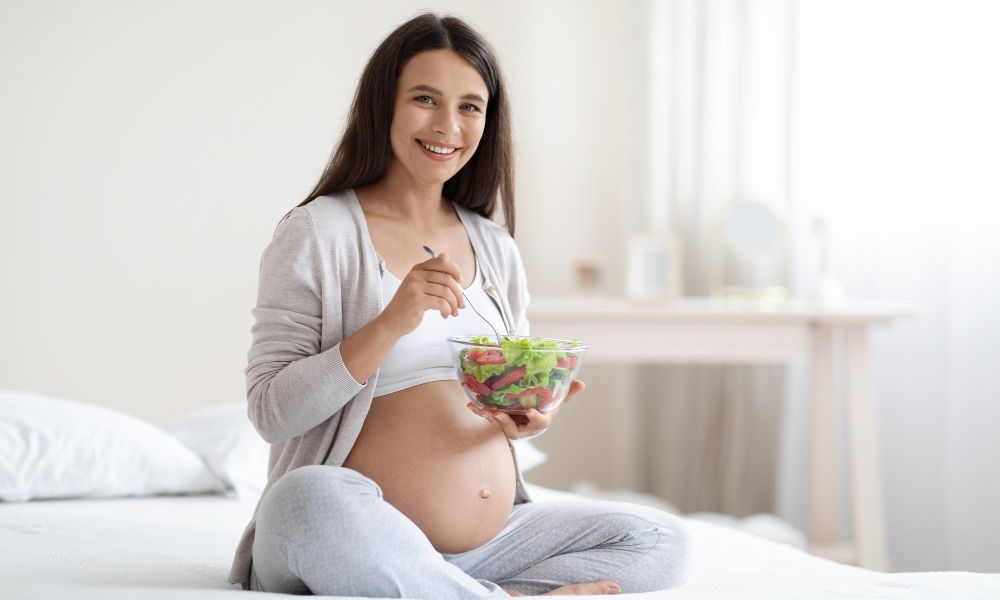
Eating during pregnancy is a topic that is often surrounded by myths and misconceptions. Some of these myths can be harmful, leading to unhealthy eating habits and potentially impacting the health of the mother and baby. In this blog post, we will bust some of the most common myths about eating during pregnancy.
Myth 1: You need to eat for two.
Fact: While it is true that you need to increase your calorie intake during pregnancy, you do not need to double it. The amount of extra calories you need will vary depending on your pre-pregnancy weight, activity level, and stage of pregnancy. In general, most women need an extra 300-500 calories per day during pregnancy.
Myth 2: You can’t eat certain foods during pregnancy.
Fact: There are a few foods that you should avoid during pregnancy, such as raw meat, unpasteurized dairy products, and fish high in mercury. However, most foods are safe to eat during pregnancy, even if they are considered “junk food” or “unhealthy.” The key is to eat in moderation and make sure you are getting a variety of nutrients from different food groups.
Myth 3: You should gain a lot of weight during pregnancy.
Fact: The amount of weight you should gain during pregnancy depends on your pre-pregnancy weight and body mass index (BMI). Women who are underweight before pregnancy may need to gain more weight than women who are overweight or obese. In general, most women should aim to gain 25-35 pounds during pregnancy.
Myth 4: You can’t exercise during pregnancy.
Fact: Exercise is safe and beneficial for most pregnant women. In fact, exercise can help reduce the risk of pregnancy complications, such as gestational diabetes and high blood pressure. It can also help improve your mood and energy levels. However, it is important to talk to your doctor before starting or continuing an exercise program during pregnancy.
Eating during pregnancy is an important part of ensuring a healthy pregnancy for both the mother and baby. By busting some of the common myths about eating during pregnancy, you can make sure you are getting the nutrients you need to support a healthy pregnancy.
Additional tips for eating during pregnancy:
- Eat a variety of foods from all food groups.
- Choose nutrient-rich foods, such as fruits, vegetables, whole grains, and lean protein.
- Limit your intake of unhealthy fats, sugar, and processed foods.
- Drink plenty of fluids, such as water and milk.
- Talk to your doctor about any concerns you have about eating during pregnancy.